
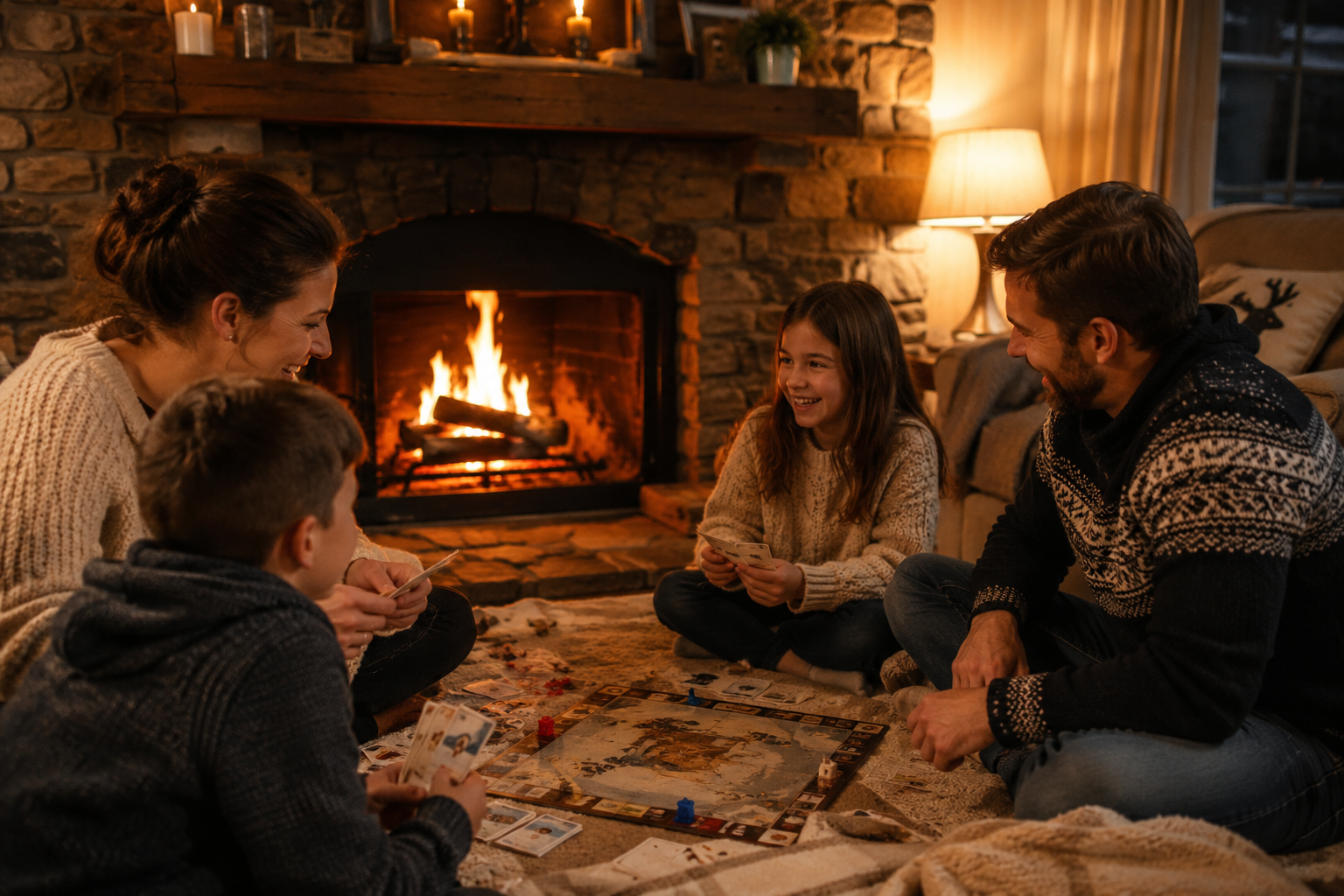
While winter brings comfort, holidays, and time spent indoors, it also introduces an increased risk of house fires and carbon monoxide poisoning in the home. Increased heating use, electrical strain, and poor ventilation create conditions where fires and carbon monoxide poisoning become far more common.
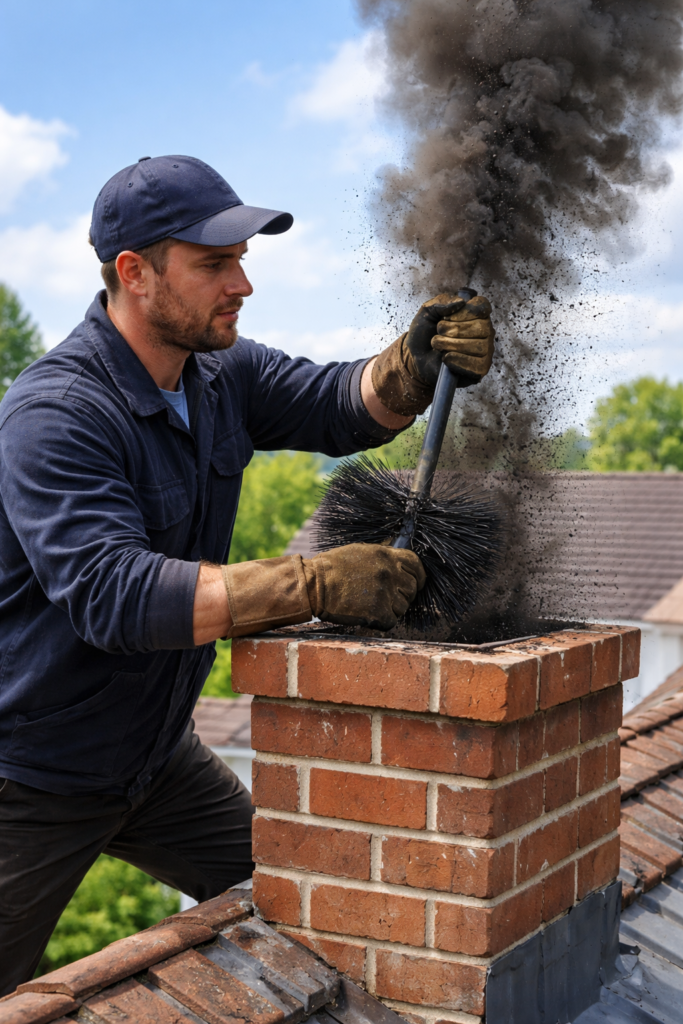
Whilst kitchen fires remain the leading cause of house fires, the risk of fires caused by heating appliances — both electric and fuel-burning — increases significantly during winter. Always ensure flues, chimneys, and ducts are inspected and cleaned regularly, and never leave an open fire unattended. That scented candle burning on the bench to freshen the home during the colder months should also never be left unattended and must be kept well away from curtains, bedding, and other soft furnishings.
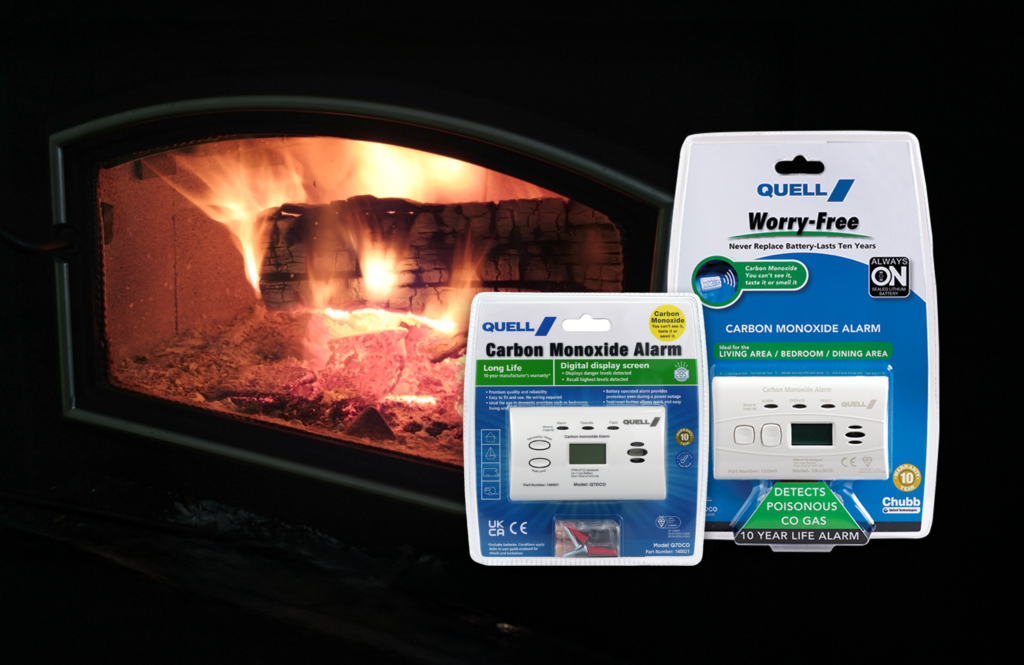
Heating appliances can also pose a serious risk of carbon monoxide poisoning if they are faulty, poorly maintained, or used incorrectly. Carbon monoxide is a colourless, odourless, and tasteless gas that can be deadly. When a fire burns in an enclosed space, oxygen levels gradually decrease and are replaced by carbon dioxide. As carbon dioxide builds up, the fuel can no longer burn efficiently, leading to the production of carbon monoxide. Installing carbon monoxide alarms is an essential safety measure for every home with fuel-burning appliances, helping to provide early warning of this invisible danger.
The most common symptoms seen in carbon monoxide poisoning cases are:
- Headache
- Nausea
- Vomiting
- Dizziness
- Shortness of breath
If you suspect CO poisoning, ventilate the area if safe to do so, exit the area and do not return to the area until it has been checked by a professional.
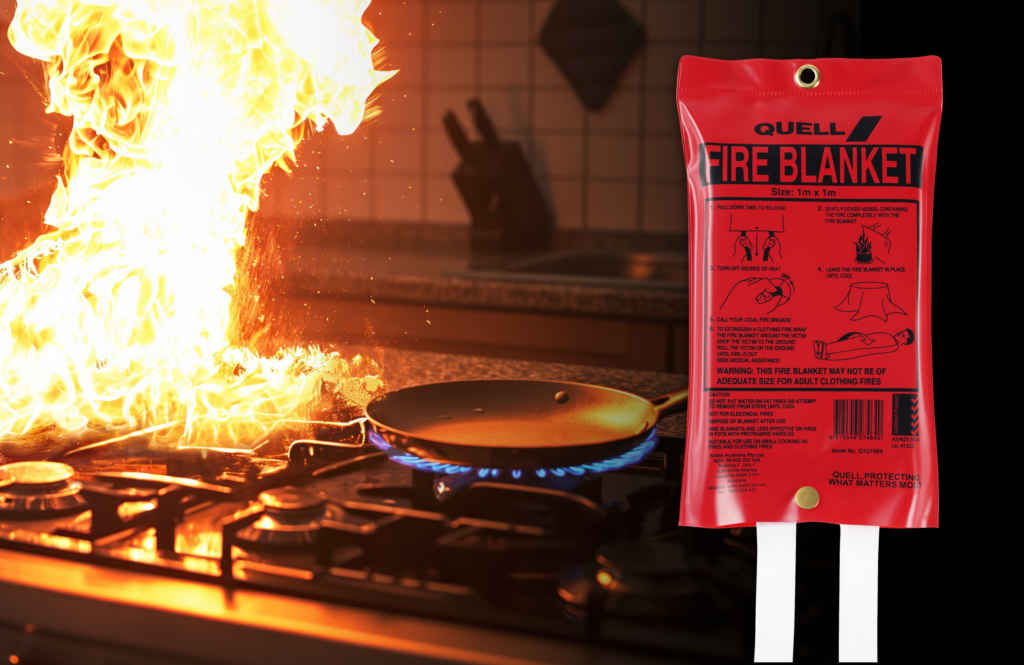
There is nothing better than a warm, hearty meal after spending time out in the winter weather, but it’s important to remember that kitchen fires can spread rapidly if residents are unprepared. Even electric or induction cooktops can ignite a fire if the contents of a pan reach their combustion point. Never leave cooking unattended, and never throw water onto a fat fire, as this can cause the flames to spread violently. You should also avoid attempting to move a burning pan. If it is safe to do so, carefully cover the pan with a Quell fire blanket and turn off the heat source. Removing oxygen from the fire helps suppress the flames until the heat source cools and emergency services arrive.
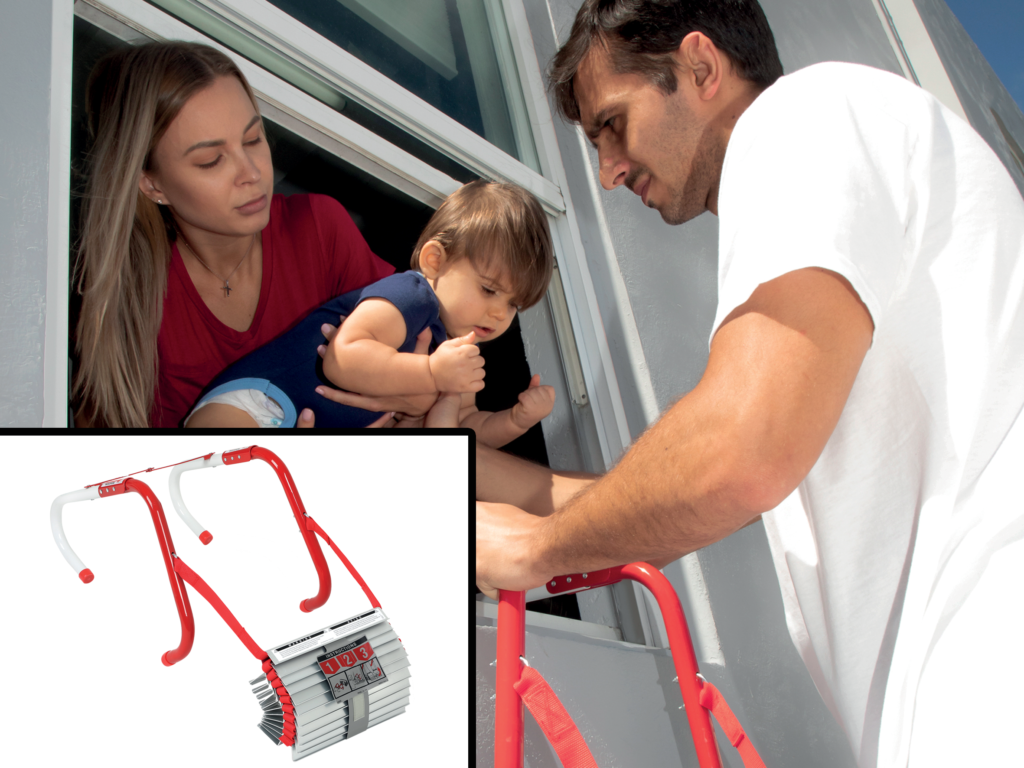
Keeping yourself and your loved ones safe is essential. Along with ensuring you have working smoke alarms, having a well-practised emergency escape plan that every household member understands is crucial for getting out safely during a fire. In homes where bedrooms are located on the second storey, it is especially important to have an alternative escape route in case the stairwell becomes blocked or unsafe to access. A Quell two-storey escape ladder can be easily deployed from an upstairs window and is designed to fit most windowsills, providing a safe and reliable emergency exit path.
To learn more about Carbon Monoxide poisoning, visit https://quell.com.au/articles/carbon-monoxide-the-silent-killer/ or contact your local Kidde Australia sales representative.
Or connect with Kidde Australia on LinkedIn https://au.linkedin.com/company/kidde-australia
Facebook https://www.facebook.com/quellaustralia/
About the Author

This post was uploaded by Mark Seton.
- Mark Seton
- Mark Seton
- Mark Seton
- Mark Seton
- Mark Seton
- Mark Seton
- Mark Seton
- Mark Seton
- Mark Seton
- Mark Seton
- Mark Seton
- Mark Seton
- Mark Seton
- Mark Seton
- Mark Seton
- Mark Seton
- Mark Seton
- Mark Seton
- Mark Seton
- Mark Seton
- Mark Seton
- Mark Seton
- Mark Seton
- Mark Seton
- Mark Seton
- Mark Seton
- Mark Seton
- Mark Seton
- Mark Seton
- Mark Seton
- Mark Seton
- Mark Seton
- Mark Seton
- Mark Seton
- Mark Seton
- Mark Seton
- Mark Seton
- Mark Seton
- Mark Seton
- Mark Seton
- Mark Seton
- Mark Seton
- Mark Seton
- Mark Seton
- Mark Seton
- Mark Seton
- Mark Seton
- Mark Seton
- Mark Seton
- Mark Seton
- Mark Seton
- Mark Seton
- Mark Seton
- Mark Seton
- Mark Seton
- Mark Seton
- Mark Seton
- Mark Seton
- Mark Seton
- Mark Seton
- Mark Seton
- Mark Seton
- Mark Seton
- Mark Seton
- Mark Seton
- Mark Seton
- Mark Seton
- Mark Seton
- Mark Seton
- Mark Seton
- Mark Seton
- Mark Seton
- Mark Seton
- Mark Seton
- Mark Seton
- Mark Seton
- Mark Seton
- Mark Seton
- Mark Seton
- Mark Seton
- Mark Seton
- Mark Seton
- Mark Seton
- Mark Seton
- Mark Seton
- Mark Seton
- Mark Seton
- Mark Seton
- Mark Seton
- Mark Seton
- Mark Seton
- Mark Seton
- Mark Seton
- Mark Seton
- Mark Seton
- Mark Seton
- Mark Seton
- Mark Seton
- Mark Seton
- Mark Seton
- Mark Seton
- Mark Seton
- Mark Seton
- Mark Seton
- Mark Seton
- Mark Seton
- Mark Seton
- Mark Seton
- Mark Seton
- Mark Seton
- Mark Seton
- Mark Seton
- Mark Seton
- Mark Seton
- Mark Seton
- Mark Seton
- Mark Seton
- Mark Seton
- Mark Seton
- Mark Seton
- Mark Seton
- Mark Seton
- Mark Seton
- Mark Seton
- Mark Seton
- Mark Seton
- Mark Seton
- Mark Seton
- Mark Seton
- Mark Seton
- Mark Seton
- Mark Seton
- Mark Seton
- Mark Seton
- Mark Seton
- Mark Seton
- Mark Seton
- Mark Seton
- Mark Seton
- Mark Seton
- Mark Seton
- Mark Seton
- Mark Seton
- Mark Seton
- Mark Seton
- Mark Seton
- Mark Seton
- Mark Seton
- Mark Seton
- Mark Seton
- Mark Seton
- Mark Seton
- Mark Seton
- Mark Seton
- Mark Seton
- Mark Seton
- Mark Seton
- Mark Seton
- Mark Seton
- Mark Seton
- Mark Seton
- Mark Seton
- Mark Seton
- Mark Seton
- Mark Seton
- Mark Seton
- Mark Seton
- Mark Seton
- Mark Seton
- Mark Seton
- Mark Seton
- Mark Seton
- Mark Seton
- Mark Seton
- Mark Seton
- Mark Seton
- Mark Seton
- Mark Seton
- Mark Seton
- Mark Seton
- Mark Seton
- Mark Seton
