
Over the last 101 years, thousands of standards have been created to help build and protect Australia’s most beloved national icons, mitigate risk from disasters and contribute to the overall net benefit of the nation. Thousands of others have been adopted from overseas.
The knowledge that standards are in place to help guard against inconsistent or dangerous practices gives us the confidence to travel, shop and build.
More than 5,500 home-grown and imported standards now exist across multiple sectors, and up to 4,000 more will be needed over the coming decade, as the Australian economy continues to transform and innovate, providing new challenges around safety and regulation.
Australia’s $1.8 trillion economy cannot operate without standards today, and yet most Australians are largely unaware they exist.
So, what are standards?
Standards are the documents that set out specifications, procedures and guidelines that aim to ensure products, services and system are safe, consistent and reliable.
They are an invaluable resource, and more than 500,000 standards exist globally today, from more than 1,000 recognised organisations.1
The first standards date back to the civilizations of Babylon and ancient Egypt, about 7,000 years ago. Used mainly as a benchmark for weights and measures, they provided a single reference point against which all other weights and measures in society could be regulated. Today, standards are the cornerstone of Australian industry and society – improving the quality, comfort and safety of everyday life.
One of the first known Australian Standards was introduced in 1922 to help build the Sydney Harbour Bridge, literally helping bring two parts of Australia’s most populated city together.
Standards have since played a critical role in the creation and protection of some of our most famous and beloved icons including Melbourne’s trams, the Port Arthur heritage site in Hobart, lighting towers at the Sydney Cricket Ground and the city of Darwin, which had to be completely rebuilt after Cyclone Tracy levelled it on Christmas Eve 1974.
While most standards are created by looking to the future, some others have inevitably come from unforeseen calamities from the past. History is marked by events that have contributed to significant improvements to the way we work, live and play.
We have learned from these tragedies to improve the design and construction of buildings, vehicles and structures, as well as improved the way we look at risk assessment and governance.
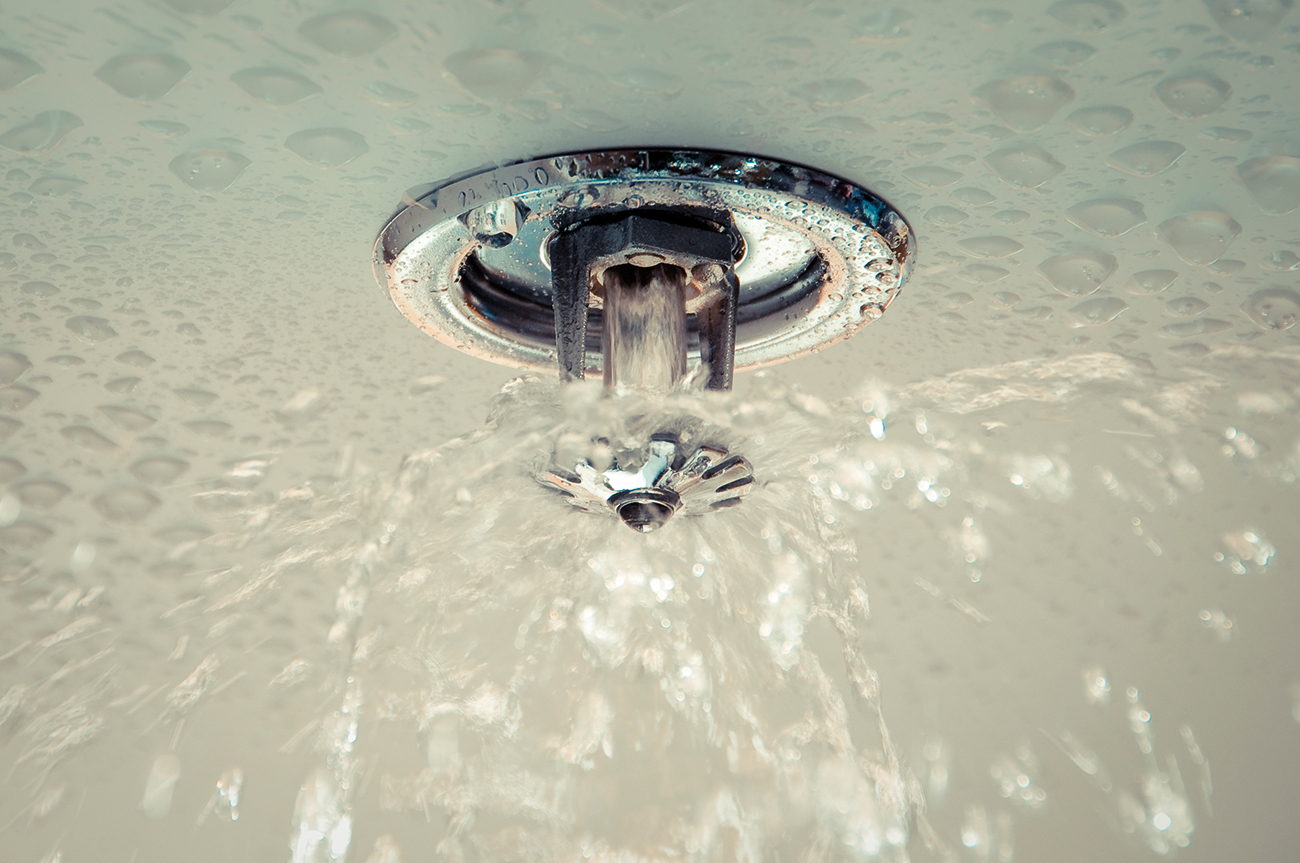
Standards touch every aspect of our lives and help enable businesses to operate with certainty. From AS 2118.1:2017, Automatic Fire Sprinkler Systems, to AS/NZS 1221:1997 REC:2020, Fire Hose Reels, and more, most in the industry utilise standards every workday.
The role of Standards Australia
Standards Australia is the country’s leading independent, non-governmental, not-for-profit standards organisation. As representatives of the International Organization for Standardization (ISO) and International Electrotechnical Commission (IEC), we are also specialists in the development and adoption of internationally aligned standards in Australia.
Standards Australia’s approach to our changing world is to focus on some of the most pressing areas of rapid transformation that would benefit from the research, development and application of new dedicated standards.
Standards Australia marked its centenary year with the release of key documents that demonstrate the importance of standards to industry and consumers. The Iconic Nations Report explores the critical role standards play, how Australians built the country we have today, and where we are heading in the future.
The Data and Digital Standards Landscape Report provides insight into the future of our nation’s growing Information and Communications Technology (ICT) industry – one that impacts all industries in our nation.
New climate change standards
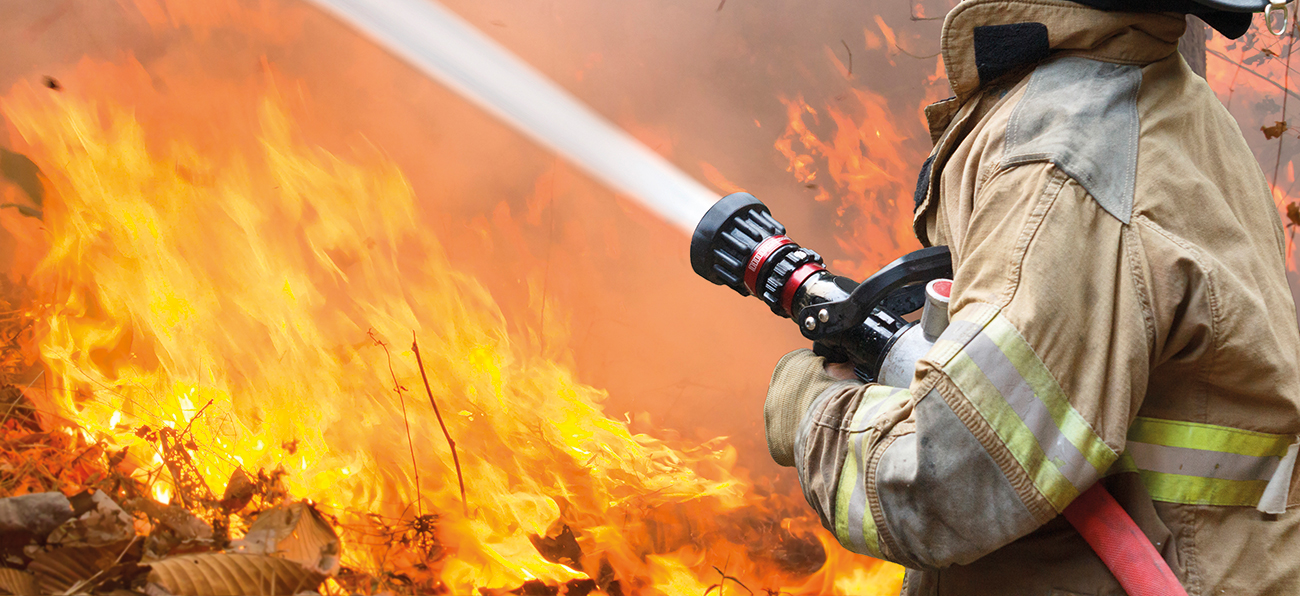
Of particular importance to the fire protection and emergency management industry is Standards Australia’s work to develop a National Housing Resilience Guide, which will be designed to show homeowners how well equipped their homes are to withstand natural hazards such as bushfires, cyclones, storms, tides and floods.
This work is timely – the cost of natural disasters averaged $18.2 billion per year between 2006 and 2016, and is expected to reach $39 billion per annum by 2050.
It is anticipated the Guide will highlight best practice beyond minimum standards. Additionally, it will include a cost-benefit analysis to empower the building and construction industry, councils, homeowners and the wider community on how to upgrade houses with reliable information and associated costs. It will incorporate analysis of the housing insurance landscape and all relevant options available to homeowners.
A technology-driven future
Technology is likely to shape our economy into the future, dictating how companies operate and consumers live. New standards will be needed to continue to help protect us all.
Therefore, Standards Australia is providing recommendations in six key technology areas including artificial intelligence (AI), data management, information security, the Internet of Things (IoT), cloud computing and smart cities.
Australia’s prosperity will be intrinsically linked to our ability to stay at the forefront of technological advances in:
- natural disasters
- cyber security
- the environment
- the hydrogen energy industry, and
- Critical and emerging technologies.
Through the Data and Digital Standards Landscape report, we have issued a call to arms for Australian government and business to engage with international standards development for the benefit of our nation.
Cyber security
The reality is, as the digitisation of our economy accelerates, Australian governments, businesses, charities and consumers are increasingly likely to be the victim of cyber-attacks.
The online assaults on Optus, Medibank and other organisations in recent months exposed the private records of millions of Australians to a suspected foreign raider with criminal intentions.
In the 2020–21 financial year, the Australian Cyber Security Centre (ACSC) received more than 67,500 cybercrime reports, an increase of almost 13% from the previous financial year, or one every eight minutes.
In response, Standards Australia is now partnering with the Internet of Things Alliance Australia (IoTAA), to develop a Smart Devices Cybersecurity Labelling Scheme (CLS).
This will support the development, adoption and implementation of international cyber-security standards.
Preparing for an exciting, but unpredictable, future
The future will bring new challenges we haven’t considered yet.
Twenty years ago, the concept of the gig economy and the emergence of companies like Uber and Airtasker were not even on the drawing board.
Ten years ago, no mainstream media outlet was taking commercial space travel seriously.
Five years ago, the idea that by 2022 Australia would ship hydrogen power to the world was barely a theory. Now, these concepts are reality.
Within this context, Australia needs to anticipate future trends and needs, to ensure everyone can rely on upcoming services and goods, even if those products have not yet been invented.
The global context
Australia does not exist within a vacuum. We live in a global community that is in constant flux. Driving this heightened rate of change is the growing expectation of immediacy by end users. Whether it is in health and entertainment, food production and agriculture, or construction and defence, consumers increasingly want change introduced seamlessly.
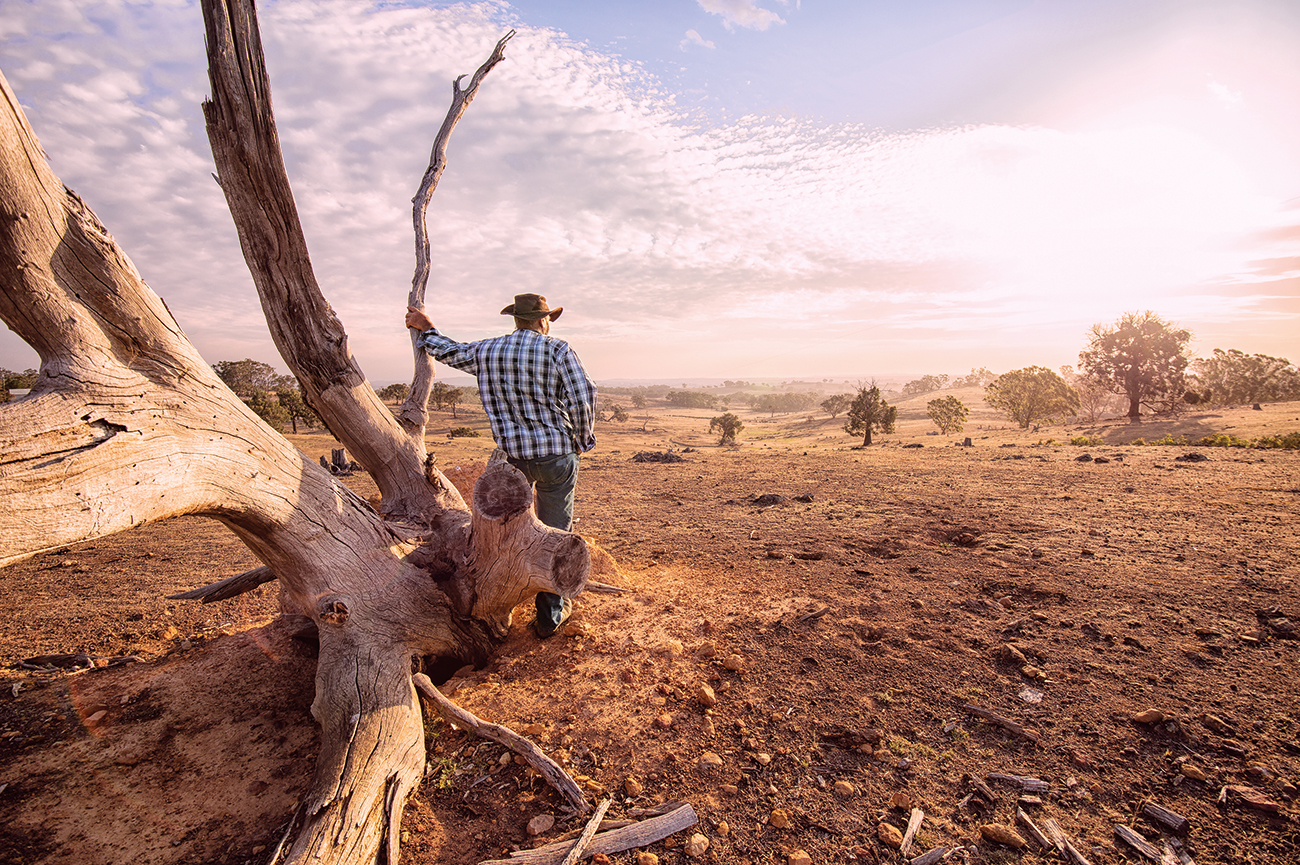
This challenge has been exacerbated by an unprecedented number of domestic and global natural disasters. In Australia, bushfires, floods, drought – along with periods of unpredictable ecological abundance – highlight the immense challenges presented by our changing climate. Standards Australia’s approach to our changing world is to focus on some of the most pressing areas of rapid transformation that would benefit from the research, development, and application of new dedicated standards.
This means diversifying from the construction of buildings and bridges to creating standards for the environment, cyber security, growing energy sources like hydrogen and the digitisation of our economy with the Internet of Things.
Australia is also in the early stages of an energy revolution, with advances in electricity-generation technology increasingly becoming more economically viable. However, even as innovations in energy systems emerge, the ability to provide reliable and constant power safely and securely to every Australian home, business, hospital, school and everything in between remains a complex challenge.
What does all this mean?
As we move past our centenary, into our next 101 years of work, Standards Australia recognises that – over the next decade – up to 4,000 new standards will be needed to safeguard our way of life. We have pioneered world-first innovations over the past century that help protect Australians every day.
Our focus into the future will remain simple: to continue developing and maintaining the standards we need today, while ensuring they remain relevant and accessible tomorrow.
For more information, go to www.standards.org.au/centenary
References
1. https://www.standards.org.au/about/our-history
About the Author

Adrian O’Connell, CEO of Standards Australia, develops strategies that aim to deliver value to stakeholders and Australians through trusted solutions accepted by policymakers and in the marketplace. He was appointed as council member to the ISO in January 2022.
