

Smoke alarms and fire-detection systems play a crucial role in protecting people and property from the haunting reality of preventable residential fires in Australia.
Residential fires in the country claim more lives annually than the combined toll of natural disasters like bushfires, storms and floods. The majority of deaths occur in residential fires and not in commercial buildings, where they are quite rare. Over 900 preventable deaths occurred in residential fires between 2003 and 2017 – a stark reminder of the need for vigilance.
Smoke-alarm systems are important, serving as a first line of defence against potential disaster. Early smoke detection may alert victims to the presence of smoke, giving them the opportunity to avoid harmful smoke inhalation. Just the task for the silent sentinel – the smoke alarm.
Enhancing fire safety with revised AS 1670.6
The Standards Australia committee, FP-002, Fire Detection, Control, Warning, and Intercom Systems, has undertaken a crucial revision of AS 1670.6:2023, Fire detection, control, warning, and intercom systems, system design, installation, and commissioning Part 6: smoke alarm systems.
This updated standard now specifies comprehensive requirements for designing, installing and commissioning smoke-alarm systems used in both domestic and residential accommodations, whether stand-alone, interconnected, or connected to residential control and indicating equipment (RCIE).
The primary objective of this revision is to facilitate the design, installation and commissioning of smoke-alarm systems for diverse domestic and residential properties. AS 1670.6:2023 is a primary referenced document in the National Construction Code.
The revision outlines some major changes as follows:
- Application of a smoke-alarm system from a simple domestic dwelling to all classes of residential accommodation buildings.
- Use of external power supplies and the supervision of their transmission paths.
- Recognition of combination and multi-criteria smoke alarms.
- Zoning of smoke alarms.
- Inclusion of connectable devices as additions to the smoke-alarm system.
- Restriction of smoke-alarm locations to ceiling heights less than 9m.

Upholding safety in the face of emerging fire hazards
The importance of early smoke detection cannot be understated. With the increased prevalence of lithium-ion batteries, including larger-capacity batteries contained in e-bikes and other vehicles in homes, fire hazards have escalated significantly. Over 450 fires have been linked to these batteries in Australia in the past 18 months. These fires are particularly challenging because they develop rapidly, reducing the time available to identify and warn of a developing threat.
Fire and Rescue NSW attended to 180 lithium-ion battery-related fires in 2022, while Victoria had 120 incidents from Jan to July 2022 and Queensland recorded 72 from 2021 to 2022.
Emphasising innovation and inclusivity
Responding to these emerging challenges, AS 1670.6 encourages the installation of more smoke detectors in homes and addresses the needs of different buildings. The standard recognises combination and multi-criteria smoke alarms, catering to buildings with unique requirements, such as backpackers’ hostels. For example, panels indicating the exact location of a fire are vital for a targeted response. To ensure inclusivity, features like flashing lights could be included for the hearing-impaired, providing clear and instant alerts in case of emergencies.

Ensuring fire safety in the age of lithium-ion batteries: shaping standards in Australia and worldwide
As highlighted above, lithium-ion batteries have revolutionised modern life, powering everything from smartphones, e-bikes and e-scooters to electric vehicles. However, as their use becomes more widespread, concerns have arisen regarding their fire safety and the potential risk of explosive fires. The fire-safety community has identified the unique threat posed by lithium-ion battery fires, particularly as the exponential growth in the use of devices containing these batteries continues. This has prompted the development of standards to mitigate the fire risks associated with lithium-ion batteries, with organisations like Standards Australia taking the lead in shaping regulations to address this critical issue both nationally and on a global scale.
The lithium-ion fire challenge
The increased prevalence of lithium-ion batteries has brought attention to the distinct fire hazards they pose. Unlike traditional fires, extinguishing lithium-ion battery fires presents unique challenges. Existing fire extinguishers designed for conventional fires are often ineffective in controlling the thermal runaway reactions that characterise lithium-ion battery fires. These fires can release high amounts of energy, generating intense heat, toxic fumes and have the potential for explosive reactions. As the number of devices powered by lithium-ion batteries grows, the potential for accidents and fires involving these batteries also increases, necessitating a comprehensive fire-safety strategy.
Standards Australia’s response
Standards Australia has taken a proactive approach to address the fire-safety concerns associated with lithium-ion batteries. The organisation, through its Fire Extinguisher committee (FP-003), has initiated efforts to establish standards that specifically target lithium-ion battery fires. This initiative comprises two primary projects aimed at enhancing fire-safety standards. The committee intends to submit a proposal for these projects in Q4 2023.
Amendment of Existing Fire Extinguisher Standards
Recognising the inadequacy of traditional fire extinguishers in handling lithium-ion battery fires, Standards Australia through FP-003 has embarked on a project to amend existing fire-extinguisher standards. The goal is to revise standards such as AS/NZS 1841:2007 Portable fire extinguishers and AS/NZS 1850:2009 Portable fire extinguishers – Classification, rating and performance testing to encompass the unique fire hazards posed by lithium-ion battery fires. Standards Australia aims to equip firefighting professionals and the public with effective tools to combat lithium-ion battery fires. FP-003 also acknowledges the complexities of putting out lithium-ion battery fires ranging from small devices such as mobile phones to larger ones such as e-scooters and EVs. The latter is an area of great interest on a global scale and much research and work is ongoing in finding solutions.
New ISO standard development
In collaboration with the International Organization for Standardization’s Technical Committee 21 (ISO/TC21), Standards Australia is contributing to the creation of a new ISO standard designed to address lithium-ion battery fire control. This innovative standard is expected to focus on early detection mechanisms for lithium-ion battery fires, a critical aspect currently underserved by existing products. By establishing guidelines for early detection, the ISO standard aims to mitigate the spread of fires and minimise potential damage, with the goal of enhancing overall fire safety. Due to the rapidly evolving nature of lithium-ion battery technologies and increased battery capacity, the potential fire risk to consumers may increase. Finding and updating solutions, as well as implementing standards to reflect these solutions is expected to remain an ongoing challenge.
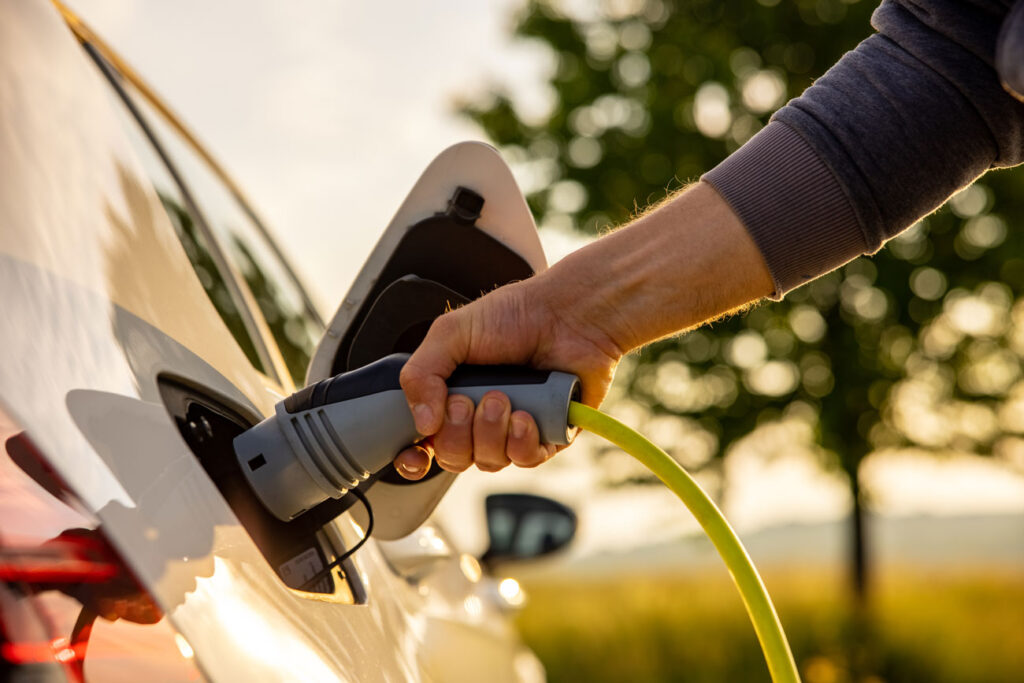
Global implications
The efforts undertaken by Standards Australia reflect a broader global commitment to lithium-ion battery fire safety. As the world witnesses an exponential surge in the adoption of lithium-ion batteries, international collaboration and harmonised standards are crucial to ensuring consistent and effective fire safety measures. The development of an ISO standard specific to lithium-ion battery fire control underscores the recognition of this issue on a global scale. By establishing best practices for detection and suppression, this standard aims to facilitate safer handling of lithium-ion battery incidents across borders, safeguarding lives, property and the environment.
About the Author

Adrian O’Connell, CEO of Standards Australia, develops strategies that aim to deliver value to stakeholders and Australians through trusted solutions accepted by policymakers and in the marketplace. He was appointed as council member to the ISO in January 2022.
