

Research into the 2018 Reedy Swamp fire finds that many people consider bushfire preparation as something that is undertaken when directly threatened by fire, not well in advance of an active threat.
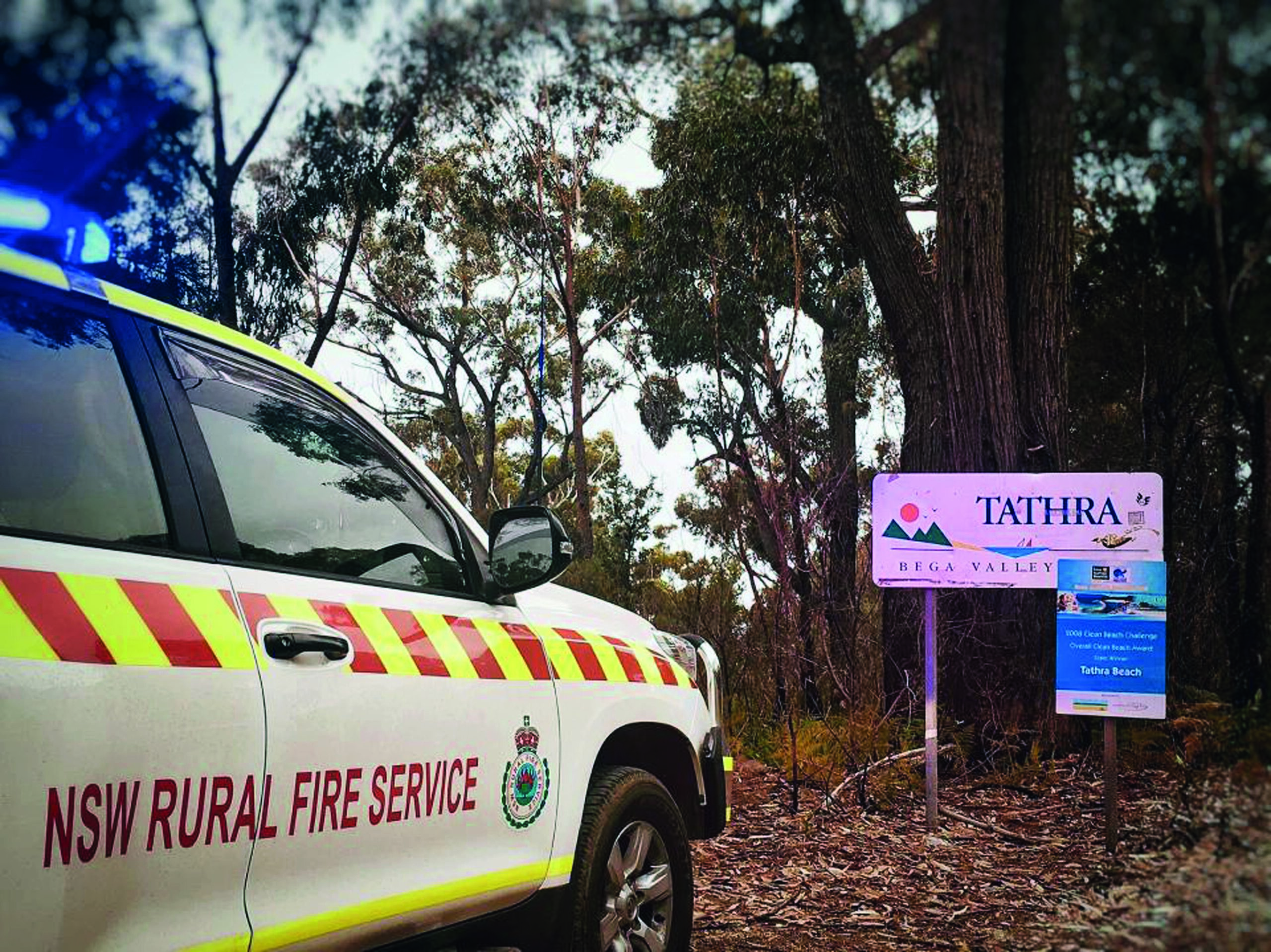
On Sunday, 18 March 2018 a bushfire impacted on the communities of Reedy Swamp and Tathra in the Bega Valley Shire on the NSW south coast. The fire, known as the Reedy Swamp Fire, destroyed 65 homes and 35 caravans and cabins. The fire displaced approximately 700 residents on the day, as well as an unknown number of tourists and visitors to Tathra.
The NSW Rural Fire Service (NSW RFS) commissioned the Bushfire and Natural Hazards CRC to undertake research into community preparedness and responses to the Reedy Swamp fire. The study addresses key questions relating to people’s perceptions of bushfire risk, community planning and preparation, their response to warnings and their experience in the aftermath.

The CRC’s 2018 Reedy Swamp fire post-incident task force project (see link below) investigates how people intend to plan, prepare and respond to bushfires in the future. It builds on previous NSW RFS contracted research undertaken by the CRC including major bushfires in the Blue Mountains, Coonabarabran and Southern Highlands areas, and for fire agencies in Victoria, Tasmania, Western Australia and South Australia.
The research involved 87 semi-structured, in-depth interviews with 120 people affected by the Reedy Swamp fire. Key findings relate to:
- the perception of risk
- actions taken to prepare
- how people became aware of the fire
- implementation of fire plans
- obtaining information about the fire
- the responses of visitors to the area
- expectations around warnings and effectiveness
- the time of year the fire took place
- post-fire experiences
- what people would do differently in the future.
The results from this study highlight the need to educate people further about the role that embers play in spreading bushfire into built-up areas, the dangers of late evacuation, providing greater clarity in official warning messages and how warnings may not be delivered in the event of power or technology failure.
Community preparedness and responses to the Reedy Swamp fire
Community perception of risk before the fire
Many residents within Tathra were not aware of the bushfire risk. People within the town had not considered that a bushfire could impact on Tathra or had not considered the potential for a bushfire to penetrate beyond the forest edge. As such, these people had not adequately planned or prepared for bushfire, while residents with properties within or adjoining the forest tended to be more aware of the risks and therefore, were more likely to have taken action to plan or prepare.
What actions people took to prepare
Many research participants described preparation as something that is done when a fire is threatening, rather than actions taken in advance of a bushfire, and levels of preparedness varied considerably among residents. Some residents appeared to have planned and prepared for last-minute evacuation, while others, who had not planned to leave, described a last-minute dash around their house while they tried to collect items they considered important to take.
How people became aware of the bushfire and how they reacted
Most people became aware of the fire by seeing or smelling smoke, or by communications with relatives, friends or neighbours. For some residents, knowledge that there was a fire nearby caused concern and motivated preparatory or protective action. Others noted the presence of the fire but did not believe it was a threat to Tathra and continued with what they were doing.
Were people able to implement their fire plan?
Most of those who intended to leave were able to do so, but many reflected that they left too late. There were people who had not planned or prepared for bushfire who stayed to defend their own and neighbours’ houses. Importantly, most of those who did have a plan were able to implement it.
Information sought about the bushfire and how it was obtained and used
Many people sought information about the fire through direct observation of smoke, flames and the activities of neighbours and emergency services. The loss of electricity, mobile phone reception and issues relating to the broadcast of emergency information into the local area impeded the delivery of warnings, information and advice.
How did visitors to the area respond to the bushfire?
A range of local businesses were hosting non-residents when Tathra came under threat. All accommodation providers were able to alert their guests to the bushfire and instructed them to evacuate. Some evacuations occurred as the fire was impacting on Tathra. Mandated evacuation plans and emergency procedures assisted the evacuation process.
Community expectations of warnings and information, particularly in known mobile phone coverage black spots
Most interviewees were aware of the limited mobile phone coverage in the Tathra and Reedy Swamp areas. Some had considered that they might not receive an SMS warning in an emergency, others expected warnings and advice to be provided earlier, before power and communications infrastructure failed. There was an expectation that local media would provide ongoing coverage of emergency warnings and information throughout the fire. Some interviewees suggested that a siren or klaxon should be installed to alert people of an emergency in the event that telecommunications infrastructure fails.
The effectiveness of warnings and the resulting actions taken
Many did not receive warnings or received warnings late, leading to uncertainty and confusion about whether, when and where to evacuate to. Those who received warnings found them useful in confirming the threat posed by the fire and the need to take action. Others who received a warning advising them to seek shelter were unsure what it meant.
Did the time of year influence how people responded?
Some interviewees had been aware that the day of the fire was forecast to be a day of Severe Fire Danger. However, some expressed surprise that such a destructive bushfire could occur in mid-March. A small number of interviewees discussed how their belief that the bushfire season was over influenced their preparedness and response.
Community experiences in the aftermath of the bushfire
People experienced a range of common issues related to evacuation centres, post-fire communication, media and politicians’ conduct, safety issues, and concerns about the local environment. While most were impressed with the services being provided at the evacuation centre, others were uncomfortable with the media presence. People were distressed to find out via media reports and images, rather than official communications, that their house had been destroyed.
How do people intend to plan, prepare and respond to bushfires in the future?
Interviewees reflected on specific changes they would make to their properties, with many who left at the last moment saying they would leave earlier in a future bushfire. Those who stayed to defend identified the need for better equipment and resources, and a number who evacuated said they would not leave in the future. Interestingly, some said they would remain within the fire-affected area only to avoid the inconvenience of being prevented from returning.
Opportunities to increase community awareness and preparedness
Bushfires like the Reedy Swamp fire present valuable learning opportunities for people in bushfire risk areas. This research presents opportunities to increase awareness and understanding of the risks to communities. Consideration should be given to including experiences and learnings from fires such as this one in community engagement and education materials.
The study suggests a need for more education and advice about the dangers of late evacuation and a need for greater dialogue and clarity of warning messages. Based on this research, the New South Wales Rural Fire Service continues to review and refine its approach to public information and warnings, and the structure and content of warning messages. The Service is piloting the use of Community Field Liaison teams to provide consistent messages and advice on the ground.
For more information, go to bnhcrc.com.au/research/reedyswamptaskforce
What residents said
On being better prepared to leave early next time
‘I’d just take off very quickly. I wouldn’t wait. No, I’d take off very quick. And if it [the house] burns, it burns. Because you just don’t know where it’s going to go, you know. Your life’s the main thing.’
On how businesses hosting visitors responded to the fires
‘There was a lot of hesitation with people not wanting to leave. They had a look at the website themselves. Went “yeah, no, I don’t think it’s gonna come this way,” because there were a lot of rumours gong around at the time saying it probably wasn’t gonna hit that far. So, people weren’t overly concerned.’
On the time of year that the fire occurred
‘Yes, I was surprised at the timing. My word, yeah. This late in the season. We should be hazard reducing. We should be lighting fires now, not preventing them.’
About the Author

Dr Josh Whittaker, Bushfire and Natural Hazards CRC and the University of Wollongong.
