

Industrial accidents involving hazardous materials represent a critical concern in today’s industrial landscape. These incidents can result in grave consequences, ranging from immediate threats to human health and safety to long-lasting environmental damage, economic repercussions, and damage to a company’s reputation. As industry professionals, we will delve into the intricacies of preparation and response measures that industries must adopt to effectively mitigate the impact of these accidents.
Hazardous materials, often integral to industrial processes, come in various forms, including toxic chemicals, flammable substances, radioactive materials and corrosive agents. While these materials play crucial roles in modern industrial activities, their potential for harm necessitates a comprehensive approach to handling and safeguarding them. A failure in managing hazardous materials can lead to an array of problems. Consequently, industries must prioritize safety, not only for the well-being of their employees but also for the surrounding communities and the environment.
In this article, we will first examine the critical preparation measures industries must undertake to reduce the risk of hazardous materials incidents. These measures encompass everything from understanding the materials at hand and complying with relevant regulations to establishing robust emergency response plans, maintaining safety equipment and facilities, conducting employee training and ensuring efficient communication and notification systems. Without a strong foundation of preparedness, industries remain vulnerable to the unforeseen challenges that hazardous materials can pose.
Subsequently, we will delve into the response measures that come into play when a hazardous-materials incident occurs. The immediate priority during such incidents is ensuring the safety of personnel. We will explore the steps that must be taken to evaluate the situation, activate response teams, isolate and contain the incident, and seek external assistance when necessary. Moreover, we will examine the critical aspects of communicating with the public and community outreach, protecting the environment, conducting investigations to prevent future incidents, and embracing a culture of continuous improvement.
The goal of this article is not only to highlight the importance of preparedness and response measures but also to provide a comprehensive guide for industries to follow. By adhering to these guidelines and maintaining a steadfast commitment to safety and responsible hazardous materials management, industries can effectively safeguard their operations, employees, surrounding communities and the environment.
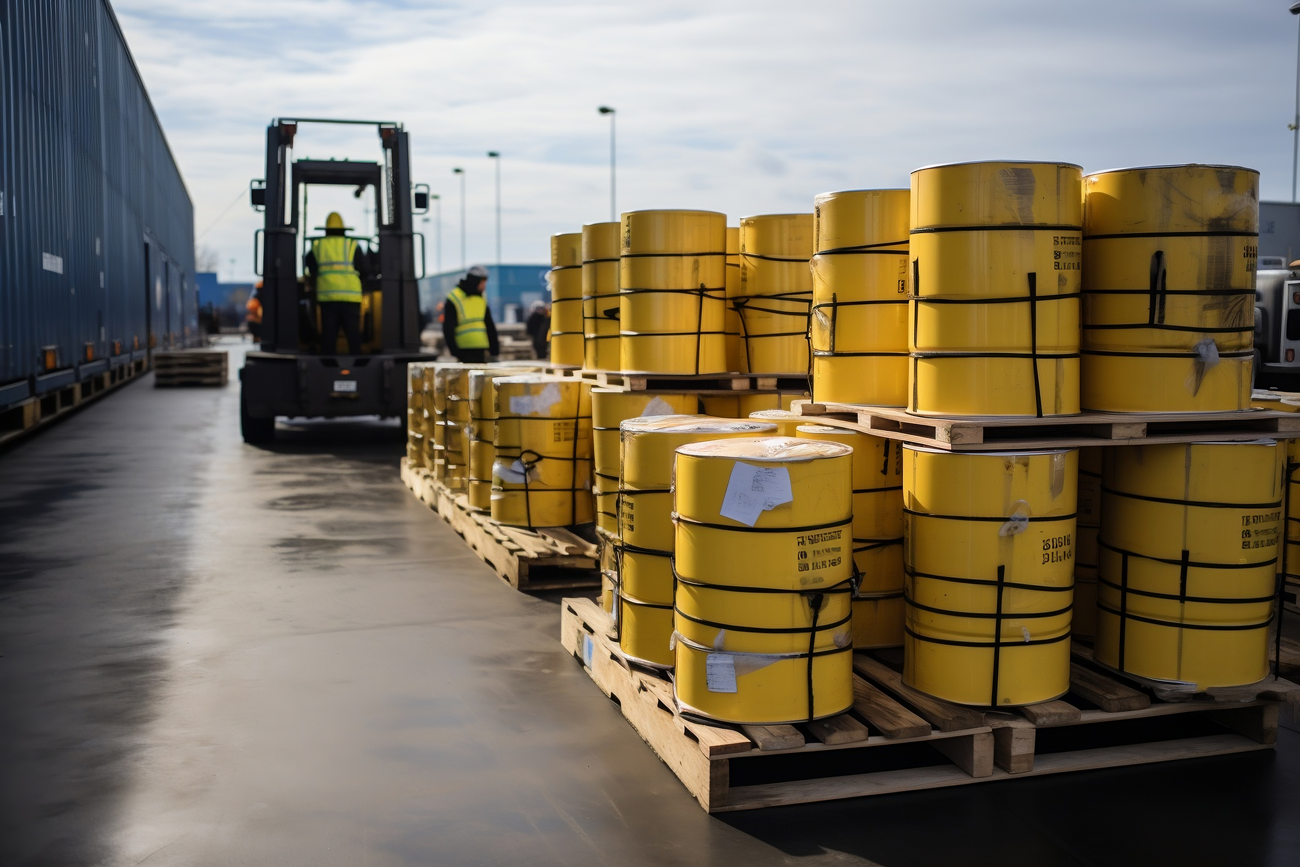
Preparation measures
Hazardous materials inventory and assessment
The foundation of effective preparedness is a comprehensive understanding of the hazardous materials present in an industrial facility. Industries should maintain an up-to-date inventory of all hazardous materials, including details such as quantity, location, storage conditions and associated risks. Conducting periodic risk assessments can help identify potential vulnerabilities and prioritize safety measures.
Regulatory compliance
Strict adherence to relevant regulations is paramount in managing hazardous materials. Industries must stay informed about the latest environmental, safety and health regulations applicable to their operations. Regular compliance audits should be conducted to ensure that all necessary permits and licenses are up to date.
Every industrial facility handling hazardous materials should have a well-documented and regularly updated emergency response plan (ERP). The ERP should outline roles and responsibilities, communication protocols, evacuation procedures, and resource allocation during an emergency. All employees must be familiar with this plan through regular training and drills.
Investing in state-of-the-art safety equipment and facilities is a crucial aspect of preparedness. This includes proper storage units, spill containment systems, ventilation systems, personal protective equipment (PPE) and decontamination stations. Regular maintenance and inspections are essential to ensure the effectiveness of these resources.
Hazardous materials training
Response training for incidents involving hazardous materials is absolutely crucial in our field. These materials pose significant risks to human health, the environment and property if mishandled or released accidentally. Proper training equips professionals with the knowledge and skills needed to assess, contain and mitigate hazmat incidents swiftly and safely. It ensures that responders can identify hazardous substances, understand their properties and select the appropriate protective measures and containment strategies. Moreover, response training promotes effective communication and coordination among response teams and agencies, minimizing the potential for errors or delays that could exacerbate the situation. In our line of work, being well-prepared through training is not just a best practice; it’s a moral obligation to protect lives and the environment while safeguarding the communities we serve.
Efficient communication systems are vital for coordinating emergency responses. Industries should establish reliable communication networks both within the facility and with external agencies like emergency services, regulatory authorities, and neighbouring communities. These systems should be regularly tested to ensure functionality.
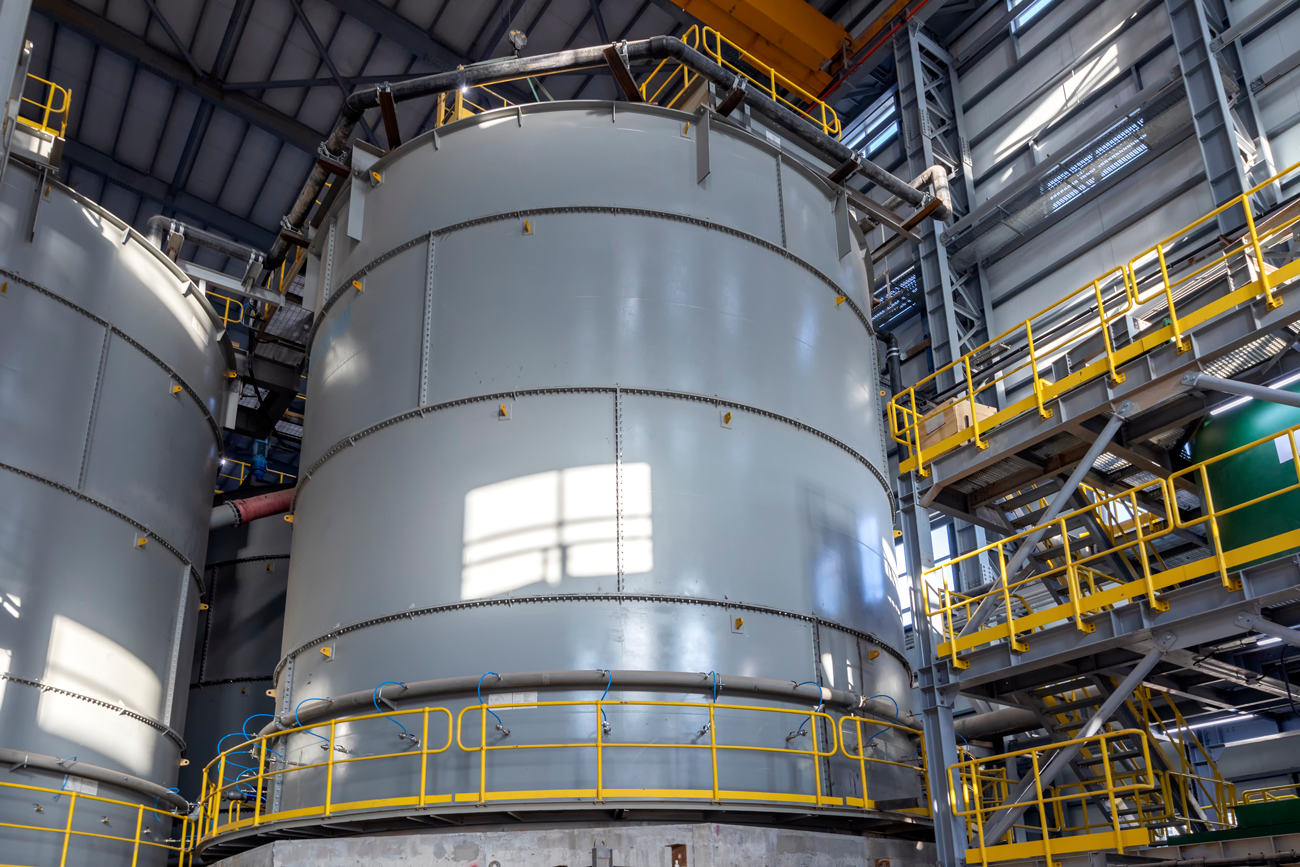
Response measures
Initial assessment and notification
In the event of a hazardous materials incident, the first step is to assess the situation. This includes identifying the type of material involved, the extent of the release and potential hazards to personnel and the environment. Immediate notification of relevant authorities and emergency responders is critical to initiate a swift and coordinated response.
Isolating the affected area is essential to prevent the spread of hazardous materials. This may involve shutting down processes, sealing off leaks or activating containment systems. Quick and effective containment measures help reduce the severity of the incident.
Protecting the safety of employees is the top priority during any hazardous-materials incident. Employees should follow established evacuation procedures and don appropriate PPE as needed. Designated assembly areas must be used to account for all personnel, and injured individuals should receive prompt medical attention.
Transparency and communication with the surrounding community are vital during a hazardous-materials incident. Industries should promptly notify local authorities and the public about the incident, potential risks and protective actions to take. Regular updates should be provided to ensure residents stay informed and safe.
Emergency response team activation
Facilities should have a dedicated emergency response team (ERT) trained to handle hazardous-materials incidents. The ERT should be equipped to control and mitigate the situation. They may be responsible for tasks such as stopping leaks, neutralizing chemicals or initiating clean-up procedures.
In many cases, hazardous-materials incidents require the expertise and resources of external agencies, such as fire departments, hazmat teams, or environmental clean-up specialists. Close coordination with these agencies is crucial to ensure a comprehensive response. Industries should provide responders with all relevant information about the materials involved to facilitate their actions safely.
Minimizing the impact of hazardous materials on the environment is essential. Industries should implement containment measures to prevent spills from reaching water bodies or contaminating soil. Clean-up efforts must follow established procedures, and all contaminated materials should be properly disposed of in accordance with regulations.
Investigation and documentation
After the incident has been brought under control, a thorough investigation should be conducted to determine the root causes. This helps prevent future incidents by addressing underlying issues. Documentation of the incident, response actions and outcomes is crucial for regulatory compliance and liability purposes.
Hazardous materials incidents provide valuable opportunities for learning and improvement. Industries should conduct debriefings to assess the effectiveness of their response and identify areas for enhancement. These lessons should be incorporated into updated emergency response plans and training programs.

Conclusion
A proactive and comprehensive approach to preparedness begins with intensive training, stringent safety regulations and a thorough awareness of the specific hazards posed by the materials in use. This knowledge enables personnel to recognize, prevent and efficiently respond to possible incidents. It is also critical to follow local, state and federal rules that set out guidelines for the proper handling, storage, transportation and disposal of hazardous materials. Compliance not only reduces legal risks but also contributes to the industry’s broader culture of safety and accountability.
Efficient response activities are critical to mitigating the effects of hazardous material accidents. Rapid evaluation, containment and mitigation actions can drastically decrease the spread of hazardous compounds and the harm they cause. To achieve a synchronized and well-executed reaction, effective communication and coordination among response teams, local authorities and emergency services are critical.
But preparedness as well as response should not be stagnant. Industries must constantly improve their protocols and practices in response to lessons learnt from previous accidents and developing best practices. This focus to ongoing development shows a concern for the safety of employees, the environment and the larger community. It also contributes to the development of trust and confidence among stakeholders by demonstrating a real commitment to safe hazardous-materials management.
About the Author

Casey Jones is a Captain and Special Operations Specialist with the Little Rock Fire Department (AR). He holds advanced degrees in Fire Science, Fire Admin and Business. He is also a Chief Training Officer and Personal Trainer.
